Austiny: A Playful Script Font
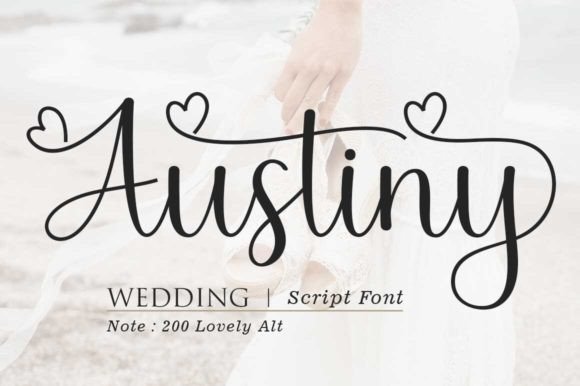
There I was, tracing the edge of a candle label with my finger, trying to find the perfect font to match the whimsical vibe of my handmade soy candles. That’s when I discovered Austiny—a script font that feels like it’s been hand-drawn with care and charm. It’s not just a typeface; it’s a little bit of magic that brings creativity to life.
The characters in Austiny have this gentle, flowing quality that makes them feel like they’re dancing along the baseline. Each letter seems to have its own personality, adding a touch of warmth and playfulness to any design. Whether I’m working on labels, cards, or packaging, Austiny has become my go-to for adding that extra flair that makes my products stand out.
Bringing Austiny to Life on Labels and Cards
One of the first things I tried was using Austiny on candle labels. The font’s soft curves and elegant swashes gave the labels a handcrafted look that felt authentic. I paired it with a simple sans serif for the product name and scent details, creating a balance between the playful script and clean text. The result was a label that felt both professional and personal—just right for my small-batch candles.
I also used Austiny on greeting cards for a seasonal collection. The font added a sense of celebration without being too ornate. For birthday cards, I played with different sizes and placements, letting the script take center stage while keeping the message clear. It worked especially well for handmade cards where the visual appeal is as important as the sentiment.
Designing Invitations and Wedding Stationery
When I started designing wedding invitations for a friend, I knew I needed something that felt romantic but not overly complicated. Austiny fit the bill perfectly. I used it for the couple’s names and the event details, pairing it with a classic serif font for the rest of the text. The combination gave the invitations a timeless yet modern feel, which was exactly what the couple wanted.
For the wedding welcome board, I printed a large banner using Austiny. The font’s fluidity made it easy to read from a distance, and its decorative elements added a touch of elegance. It was one of those moments where the font really came into its own, turning a simple sign into a focal point of the event.
Enhancing Digital Printables and Shop Branding
Austiny has also been a game-changer for my digital printables. I created a set of printable wall art that featured seasonal quotes and phrases. Using Austiny for the main text allowed me to create a cohesive look across all designs. The font’s versatility meant I could use it for everything from holiday tags to planner pages without repeating the same style.
When it comes to shop branding, Austiny helps establish a consistent aesthetic. I used it for my Etsy shop title and social media graphics, ensuring that every touchpoint felt connected. It’s amazing how a single font can help build brand recognition and make a shop feel more polished and intentional.
Practical Tips for Using Austiny
While Austiny is beautiful, it’s important to consider its readability in different contexts. For small stickers or labels, I recommend using it for short phrases rather than long paragraphs. The font’s intricate details can get lost when scaled down, so keeping text concise ensures clarity.
When using Austiny with cutting machines like Cricut or Silhouette, I found that simplifying the design helps prevent issues with fine details. I often opt for a basic version of the font or adjust the stroke width to ensure the cut lines are clean and precise.
Pairing Austiny with other fonts can also enhance its impact. I often pair it with a clean sans serif for contrast, or with another script font for a more layered look. Experimenting with different combinations helps me find the right balance for each project.
Exploring Austiny’s Features and Licensing
Before using Austiny for commercial projects, I always check the included styles, alternates, and ligatures. These features add flexibility, allowing me to customize the font to suit different designs. The availability of multiple weights and file formats also makes it easier to integrate into various projects, whether I’m working on print or digital assets.
It’s also worth noting that Austiny supports multilingual characters, which is helpful if I’m designing for a wider audience. And of course, making sure the licensing allows for the intended use—whether it’s for physical products, printables, or digital downloads—is essential to avoid any legal issues.
Every time I use Austiny, it reminds me why I love typography. It’s not just about the letters themselves, but how they bring a design to life. Whether I’m working on a candle label, an invitation, or a digital printable, Austiny adds that special touch that makes my creations feel unique and meaningful.